This Week in Logistics: What’s Actually Happening in Logistics Right Now (with special guest Scott Murray)
We sat down with CartonCloud VP of Operations Scott Murray to unpack what operators are actually facing on the ground, and what to focus on next.
Author:
Shaun Hagen
Published:
April 28, 2026

TABLE OF CONTENTS
Right now, the market feels “much less forgiving.” Operators are dealing with sustained cost pressure, especially fuel, alongside existing margin and labour challenges. The gap between disciplined operators and everyone else is widening, and small operational gaps are being exposed quickly.
TL;DR — The short version
- The current environment is “relentless” for many operators.
- Fuel volatility is forcing difficult pricing conversations mid-contract.
- Profitability is now driving decisions more than capacity.
- Process discipline is exposing gaps across operations.
- AI is accessible, but best used for specific, practical problems.
- Strong customer relationships are becoming a bigger priority again.
There’s a lot happening in the headlines right now, but what does it actually look like on the ground?
This week’s episode is a little different. I’m joined by special guest Scott Murray, VP of Operations at CartonCloud, to get a real view of what’s happening across the logistics industry, and what it means for operators day to day.
Q: What does the market actually feel like on the ground right now?
Scott Murray: Honestly, it’s probably felt rather relentless for our customer base, and even for people who aren’t customers.
They were already dealing with difficulties around people and margins. Now, with recent world events, fuel is hitting hard.
We’re hearing stories about customers having to refine their rates, getting squeezed by their customers, and even staff not being able to get to work because they can’t afford fuel. It’s putting a lot of strain on operations that we didn’t see before.
Q: If you had to sum up the last 6–8 weeks in one sentence?
Scott Murray: I think it’s just overall much less forgiving. It’s found gaps in operations and probably left people a little exposed.
Q: What are operators struggling with most right now?
Scott Murray: The big one for transport right now is fuel, and the lag in how quickly you can respond to it.
Prices at the pump are fluctuating daily, but customer contracts are locked in for long periods.
We’re seeing operators who built their value proposition on flat rates with no fuel surcharges. That worked a few months ago, but now it’s left them exposed.
They’re having to re-quote, pivot quickly, and have difficult conversations with long-term customers. In some cases, they’re just eating the loss and riding it out.
Q: Is capacity actually tight, or is something else happening?
Scott Murray: To me, it’s probably less about capacity and more about profitability.
We’re hearing stories where freight is booked like usual, the carrier has capacity, but then turns around and says the lane isn’t profitable anymore.
That leads to difficult conversations. Either they can’t do the work, or they continue running it at a loss to stay close to the customer.
Q: What are the best operators doing differently right now?
Scott Murray: They’re doubling down on what they’re good at and being a bit more picky.
Before this, the industry was more forgiving. You could take on work hoping it would be profitable.
Now, the best outcomes are coming from operators focusing on their core customers and what they know best.
They’re also talking to customers early, not waiting until the invoice. That transparency and open communication is really important.
Q: How much of this comes down to process vs technology?
Scott Murray: At the moment, it’s mostly process discipline. Technology helps, and it definitely does, but right now we’re seeing operators feel exposed when their processes aren’t tight.
Admin delays, poor handovers between teams, and small mistakes are what’s really impacting people.
Where technology helps is surfacing exceptions, improving routing, making sure trucks are full, and supporting the warehouse floor.
Q: What should operators focus on in the next 30 days?
Scott Murray: Take a really hard look at your customer base and what it actually costs to serve them.
Make sure the gap between sales and operations is clear, so you’re not quoting based on last month’s fuel prices or underquoting.
And try to find friction points in your operation. Whether that’s in the office, on the road, or in the warehouse, look for ways to reduce manual tasks and make your team more efficient.
Q: What’s your message to operators about AI right now?
Scott Murray: It’s more accessible than ever, even for non-technical people. You don’t need to be an engineer. Tools already exist in platforms like Microsoft and Google.
You can get value just by asking simple questions or uploading reports to find gaps.
I’d encourage people to give it a try. It can feel daunting, and it’s hard to keep up, but start small. Find a point of friction and use AI like a right-hand assistant to help drive efficiency.
Q: What’s a positive trend operators should pay attention to?
Scott Murray: Personal relationships are more important than ever.
We’re seeing more face-to-face time, people visiting customers, building trust again. It’s bringing things back to basics a bit, and that’s been really good to see.
Key takeaways for operators
- The current environment is exposing operational gaps quickly.
- Profitability is becoming more important than volume.
- Strong process discipline is the foundation for stability.
- Early communication with customers reduces risk.
- AI is useful when applied to specific operational problems.
- Relationships are becoming a real competitive advantage.
Want to know more?
Listen to Episode 9 of This Week in Logistics on Spotify or Apple Podcast to hear the complete breakdown.
See you next week!
Post by Shaun Hagen, CartonCloud CEO
FAQ
Q: Why does the logistics market feel so challenging right now?
A: The logistics market feels challenging right now because multiple pressures are hitting at once, including rising fuel costs, labour challenges, and margin pressure. With less room for error, these costs are much harder for operators to absorb.
Q: Why are fuel costs such a big issue in logistics?
A: Fuel costs are a major issue in logistics because they change frequently, sometimes daily, while most customer contracts are fixed. This creates a growing gap between operating costs and what businesses are charging.
Q: Is logistics capacity actually constrained?
A: Logistics capacity isn’t always constrained. The bigger issue is profitability. Some jobs are no longer financially viable, so carriers are declining work even when they have capacity available.
Q: Should logistics operators invest in AI now?
A: Logistics operators should invest in AI, but in a practical way. Start with a specific operational problem and use AI to improve efficiency, rather than trying to overhaul the entire business at once.
Q: What’s becoming more important in logistics right now?
A: What’s becoming more important in logistics is building strong customer relationships and trust. During periods of volatility, these relationships help operators manage pricing conversations and maintain long-term partnerships.
Explore the resource hub
Tips, tools, downloadable guides and stories from logistics teams who are working smarter.
This Week in Logistics: The Structural Pieces Are Clicking Into Place: FedEx Freight, Humanoid Robots, + What Oil Settling Actually Means
How to Deliver an Amazon-Like Experience When You're Not Amazon
.webp)
CartonCloud Reviews, Pricing, and Alternatives: What 3PLs Actually Want to Know

This Week in Logistics: How Do You Deliver an Amazon-Like Experience as a Non-Amazon Retailer? In Conversation with Shippit
.webp)
What is the best warehouse management software and why?

Through the Fuel Crisis: The Operator Playbook for 3PLs and Transport Companies
.webp)
Through the Fuel Crisis: The Operator Playbook

Big News: CartonCloud Connects to 150+ Carriers
May 2026 — New Feature Round-up
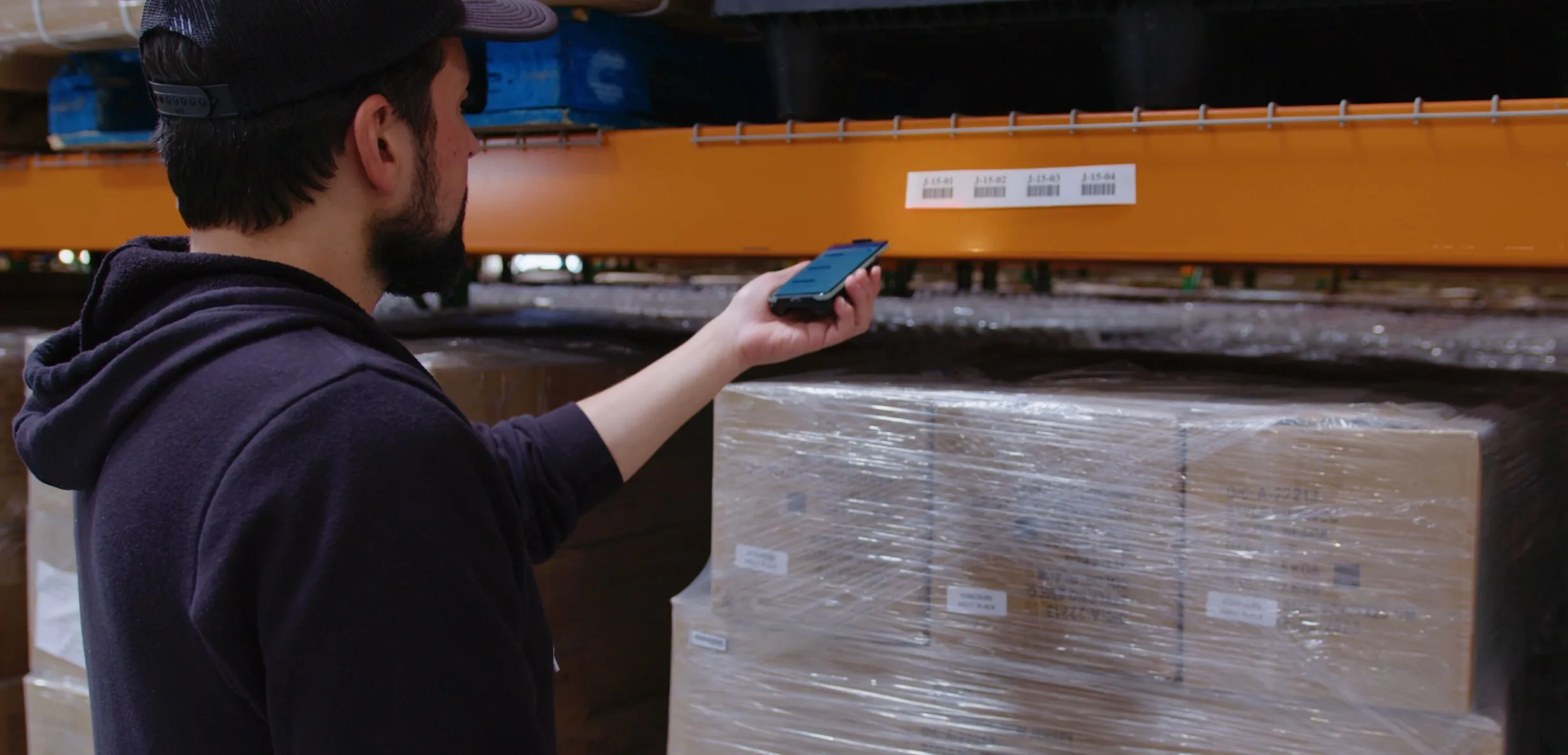
Every Missed Scan Creates Problems You Can’t See (Until it’s Too Late)

Finding the best Warehouse Management System (WMS) software for small businesses

This Week in Logistics: Hope Is Not a Plan: What the Iran Deal, FedEx Freight's Independence, + the RTCCO Review Mean for Logistics Operators This Week
.webp)
How to Reduce Admin in a 3PL Operation

Best 3PL Software Alternatives: 2026 Comparison Guide
This Week in Logistics: Aramco Says Oil Won't Normalise Until 2027 — and Two Other Shifts That Moved the Ground This Week

CartonCloud vs Da Vinci Comparison Guide for 3PLs
This Week in Logistics: Volatility Is the Operating Environment
.webp)
What Home Depot’s Next-Day Delivery Push Means for 3PL Operations

This Week in Logistics: The Hormuz Fuel Crisis, Freight Upcycle + Amazon Supply Chain Update
April 2026 — New Feature Round-up