Integrations | Custom Integrations
Custom integrations for connected, scalable logistics
Don’t see your system listed? We’ve got you covered.
Connect almost any platform to CartonCloud with flexible custom integrations.
Other Integrations

Zapier
We're integrated with Zapier, so you can build your own integration into CartonCloud via Zapier.

Beer30
Carton Cloud is an external software that provides an integrated transport management and warehouse management systems, which can now integrate with Beer30.

Freight Central
Connect Freight Central to CartonCloud and automate carrier booking, label generation, and tracking across your freight management and 3PL operations.

MyIntegrator
Connect MyIntegrator to CartonCloud and automate carrier booking and shipping management across your connected business systems. Orders routed through MyIntegrator trigger automatic CartonCloud bookings, labels generate at the point of dispatch, and tracking data flows back to your connected platforms.

SiteSuite
Connect SiteSuite to CartonCloud and give your online store enterprise-grade shipping automation. Orders import automatically, live rates display at checkout, labels print with one click, carriers are allocated intelligently, and customers receive branded tracking notifications all without manual work.
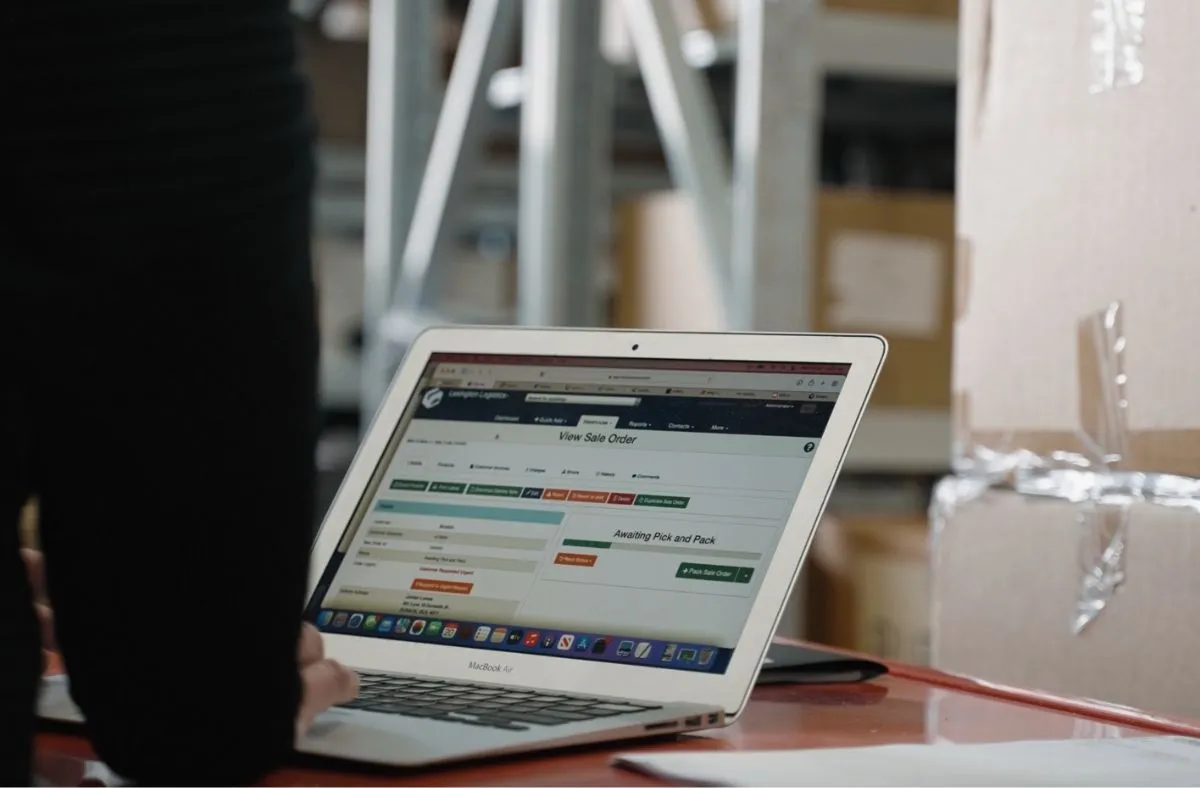
Build the exact workflows your business needs
Every logistics operation is different. CartonCloud’s custom integrations are designed to connect the systems you already use — whether they’re modern, legacy, niche, or purpose-built — so your workflows stay efficient as your business grows.
Open API + webhooks for custom integrations.
Bespoke integrations designed and built by CartonCloud experts.
FTP and email-based integrations where required.
Connect to almost any system that supports data exchange.
Automate workflows without re-keying or manual work.
Adapt quickly as customers, services, or regions change.
Scale without ripping out or replacing your existing stack.
CARTONCLOUD
Designed for the way your logistics actually connects
Flexible integrations that meet you where you are today — and scale with you tomorrow.

Unlock agility with an open REST API
Connect CartonCloud to any system that supports modern API communication — keeping your logistics stack open, adaptable, and future-ready.

In-house integration experts
Our integration specialists work directly with you to design, build, and support custom integrations — no third-party consultants required.

Event-driven workflows
Trigger actions automatically based on real warehouse or transport events — without brittle, one-off builds.

Forwarder + carrier connections
Automate bookings, labels, tracking, and status updates using live logistics data.

Seamless e-commerce connections
Sync orders, inventory, fulfilment, and tracking across sales channels in real time.
4PL-ready by design
Orchestrate customers, carriers, and partners through a single API layer — without rigid workflows or custom rewrites.
Want the full picture?
Take a closer look at the tools that’ll keep your operations humming.



Trusted integration partners
Built with specialists who understand logistics, data, and automation.
CartonCloud works with experienced integration partners who have built and delivered custom integrations for customers using our API:
- Databot — Data engineering and workflow automation specialists
- Integration Kings — Custom integrations across ERP, transport, and operational platforms
- Better EDI — EDI integrations connecting CartonCloud with retailers, trading partners, and supply-chain networks
Together with CartonCloud’s in-house team, these partners help connect even the most complex or unconventional systems — quickly, securely, and reliably.
Keep operations agile with CartonCloud’s API
PLATFORM
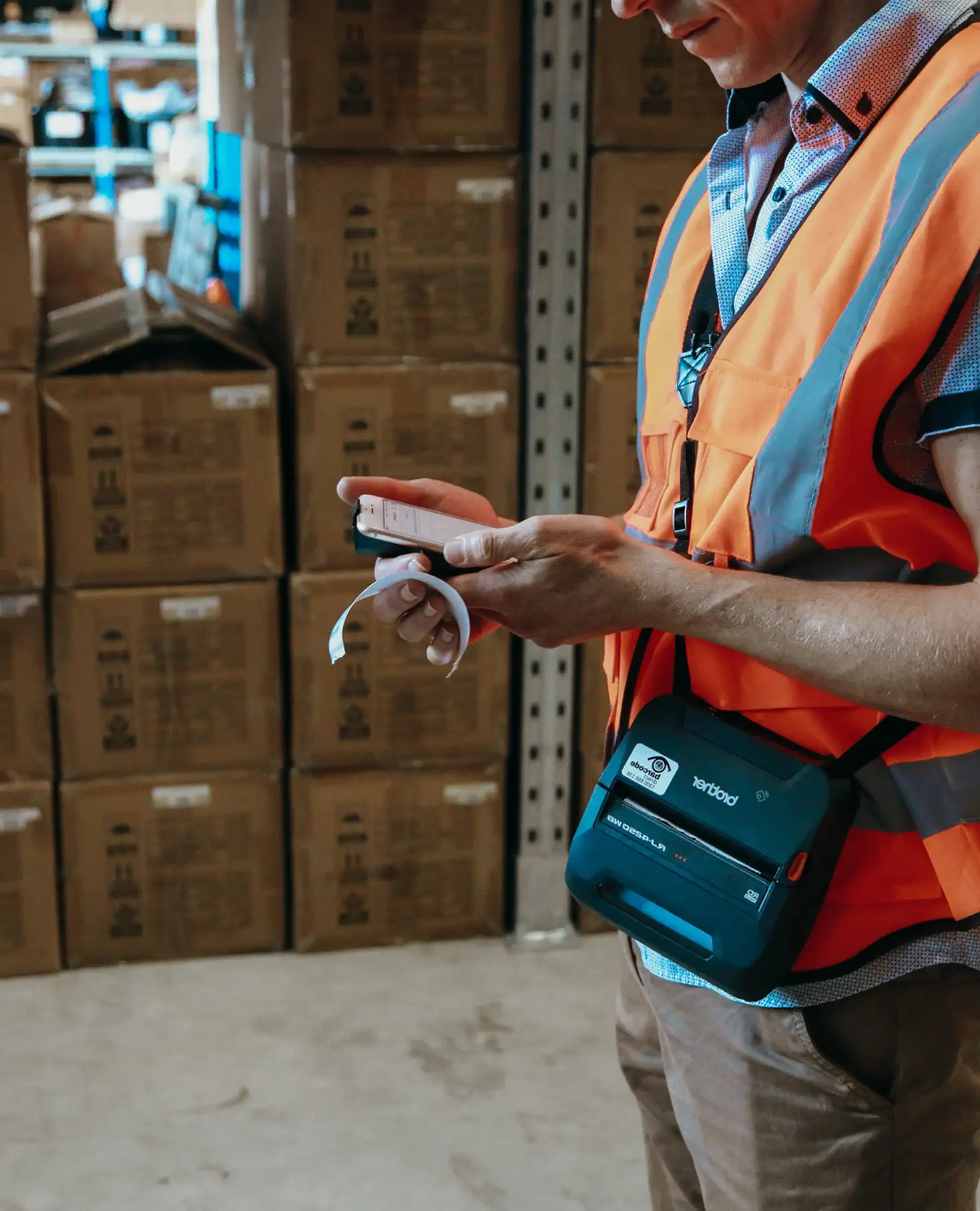
Adapt your systems to the way you work
Data flow designed around your operation
Connect and sync only the data, fields, and workflows that matter to your business.
Build flexible solutions — fast
Integrations are built quickly so you can adapt without rebuilding your core systems.
Expert support, always
CartonCloud designs, maintains, and supports your integrations — so they keep working as you scale.
PLATFORM
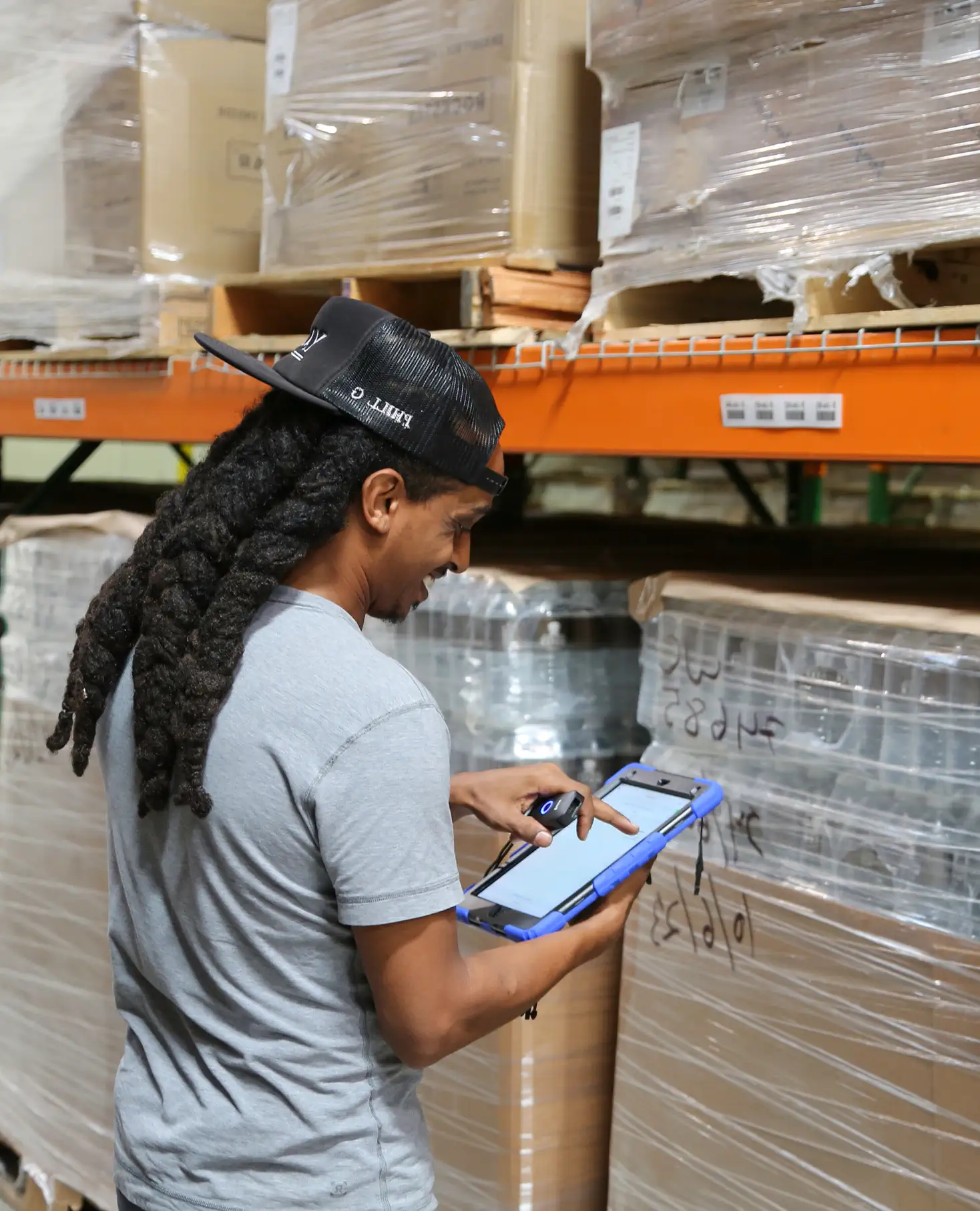
Turn connected systems into real efficiency
Remove manual work
Automate order creation, updates, invoicing, and stock movements across systems.
Improve visibility
Keep WMS, TMS, ERP, and connected platforms perfectly in sync.
Deliver more to your customers
Share live operational data to improve trust, responsiveness, and service levels.

Want the full picture?





.webp)
.webp)







































Explore the resource hub
Tips, tools and stories from logistics teams who are working smarter, thinking clearer and breathing easier.







Ready to build your perfect integration?

Got questions?
Yes. Role-based access lets you control exactly which warehouses each user or customer can see. Warehouse staff, managers, and clients only access the locations relevant to them—reducing noise and protecting sensitive data.
Yes. You can run reporting and billing by warehouse, making it easy to track performance, costs, and revenue at a site level—without splitting data across multiple systems.
Yes (Premium feature). CartonCloud supports per-warehouse rate cards, allowing each location to bill storage, handling, and services differently—without workarounds or duplicate setups.
New warehouses can typically be added and configured in days, not months. Because workflows, customers, and rules can be reused, expansion is fast and low-risk.
Yes. CartonCloud’s multi-warehouse capability spans both WMS and TMS, keeping stock, orders, deliveries, billing, and reporting in sync across every location.
Yes. CartonCloud supports warehouse-to-warehouse stock transfers with full audit trails. Every movement is tracked, timestamped, and visible—so transfers stay accurate, accountable, and easy to reconcile.
Definitely. CartonCloud is designed to scale with you—whether you’re adding a second warehouse or building a national network. You get consistent workflows, central visibility, and site-level control without added system complexity.
You control this. Customers can be restricted to a single warehouse or given visibility across multiple sites through the customer portal—ideal for multi-site or multi-brand clients who need a consolidated view.
Each warehouse maintains clean separation of stock, orders, users, and activity logs. This ensures accuracy, accountability, and confidence—while still allowing controlled visibility across sites where needed.
Yes. CartonCloud allows you to add new warehouses without rebuilding your system. You can reuse existing customers, workflows, products, and rules—so new sites go live faster and stay consistent with the rest of your operation.
Absolutely. You can view inventory, orders, and activity at an individual warehouse level or as a consolidated network view—giving you both local control and central oversight in real time.
Multi-warehouse management in CartonCloud lets 3PLs run multiple warehouse locations from a single system and login. Each site has its own stock, users, and workflows, while management teams get central, real-time visibility across the entire network.